
The synthetic textile industry continues to evolve at a remarkable pace. Rising customer expectations, increasing pressure for sustainable manufacturing, and rapid advances in automation are reshaping how textile producers invest in equipment and optimize production.
For manufacturers looking to remain competitive, understanding these trends is no longer optional, it is essential. Here are five developments that are expected to have the greatest impact on synthetic fabric manufacturing in 2026.
1. Greater Demand for High-Speed Production
As global demand for synthetic fabrics continues to grow, manufacturers are under increasing pressure to produce more while maintaining consistent quality.
High-speed weaving technologies help factories increase output, reduce production bottlenecks, and improve overall operational efficiency. Modern weaving equipment is increasingly designed to maximize productivity without compromising fabric quality or machine reliability.
2. Smart Automation Is Becoming the Standard
Automation is transforming textile production from reactive to proactive.
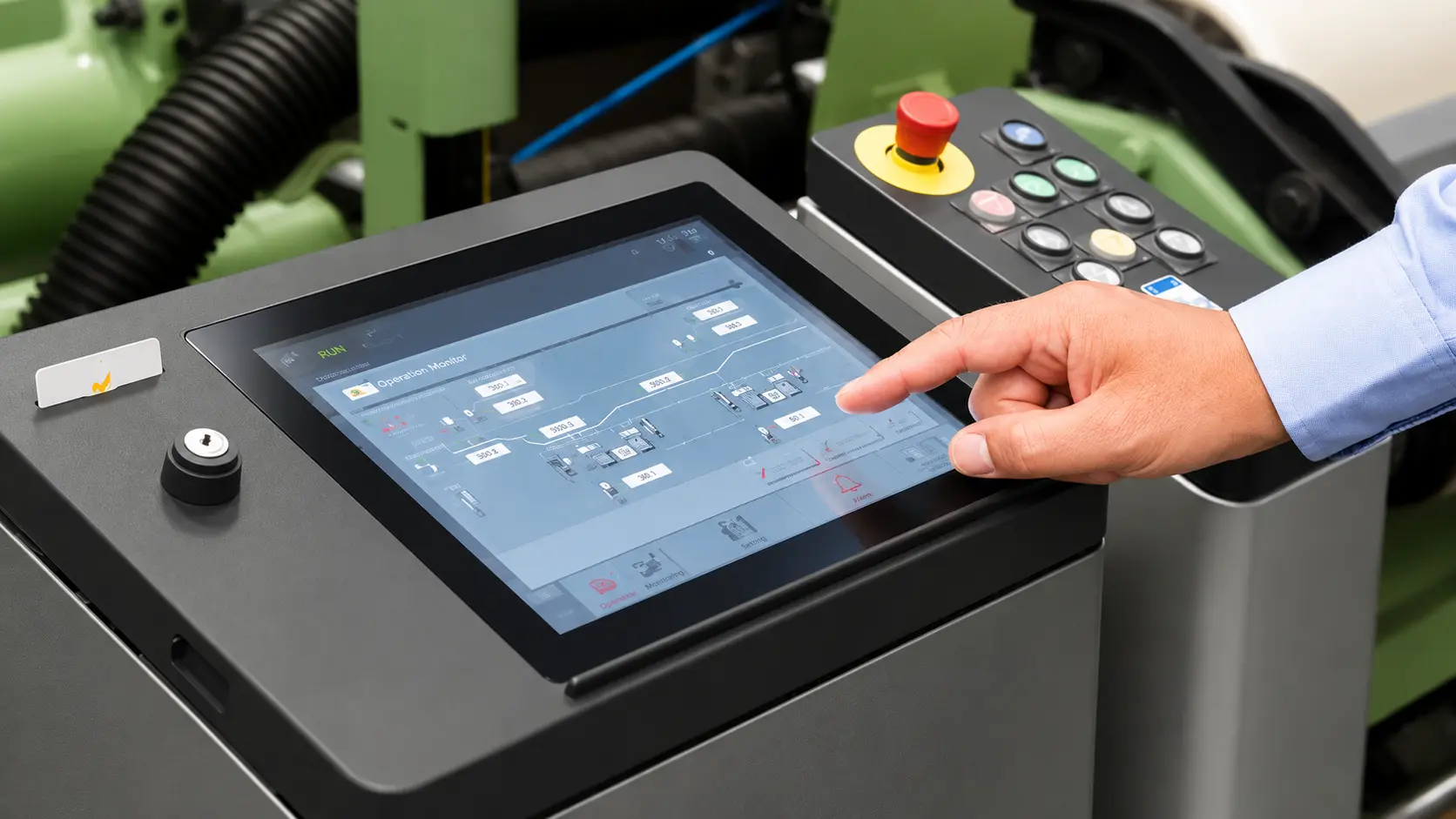
Today’s manufacturers expect weaving machines to integrate with digital monitoring systems, enabling operators to track production performance, identify potential issues early, and reduce unplanned downtime.
Features such as automated parameter adjustments, production monitoring, and predictive maintenance are becoming valuable tools for improving efficiency and reducing operating costs.
3. Sustainability Is Driving Equipment Choices
Environmental responsibility is becoming an important factor in investment decisions across the textile industry.
Manufacturers are seeking equipment that helps reduce:
- Energy consumption
- Water usage
- Material waste
- Maintenance requirements
Modern production technologies are increasingly focused on delivering higher productivity while supporting more sustainable manufacturing practices.
4. Growing Demand for Technical and Performance Fabrics
The market for synthetic textiles extends far beyond traditional apparel.
Industries such as automotive, medical, outdoor equipment, sportswear, filtration, and industrial manufacturing continue to increase demand for high-performance synthetic fabrics with specialized properties.
This shift requires weaving equipment capable of delivering precision, consistency, and reliable performance across a wide variety of fabric constructions.
5. Long-Term Value Over Initial Purchase Price
More manufacturers are evaluating machinery based on total cost of ownership rather than simply comparing purchase prices.
Factors such as reliability, production efficiency, spare parts availability, maintenance requirements, technical support, and machine lifespan all contribute to the long-term return on investment.
Choosing equipment that delivers stable performance over many years often proves to be the more cost-effective decision.
Looking Ahead
The synthetic textile industry will continue to evolve as manufacturers pursue greater efficiency, higher quality, and more sustainable production methods.
Companies that invest in reliable technology, embrace automation, and focus on long-term operational performance will be better positioned to meet changing market demands and remain competitive in an increasingly dynamic global industry.
At HYX, we closely follow these industry developments to help textile manufacturers identify practical solutions that support productivity, consistent quality, and long-term business growth.